SEO is one of those marketing strategies everyone wishes came with instant gratification. You optimise a few pages, build a couple of backlinks, and your website should be at the top of Google next week, right? Not quite.
If you’ve ever wondered why SEO results take so long to materialise, you’re not alone. The reality is, SEO is a long-term investment. It’s frustrating when the effort doesn’t translate into immediate wins, but trust us – the wait is worth it. With the right strategy, SEO delivers measurable, sustainable growth over time. So, let’s break down what impacts SEO timelines, what you can realistically expect, and how to track progress.
Contents
Before thinking about timelines, let’s get real about what “results” actually mean. Most people equate SEO success with being “#1 on Google,” but that’s only part of the picture. True SEO results go beyond rankings and should focus on real business growth that you can measure.
For instance, an increase in organic traffic is a common goal, but that traffic only matters if it’s relevant to your business. Similarly, improvements in engagement metrics, like time on page or reduced bounce rates, show that your content is resonating with users. Ultimately, SEO success ties back to conversions – whether that’s inquiries, sign-ups, or sales.
So, how long does it take to see SEO results? Unfortunately, there’s no magic answer. The timeline depends on several factors, some you can control and others you just have to live with. Here’s a breakdown of the main influences, because let’s be honest – no two SEO journeys are the same.
If you’re in a cutthroat industry, be prepared to dig in for the long haul. Outranking established players with deep pockets and years of SEO investment isn’t going to happen overnight. It’s a bit like trying to open a new café on a street dominated by a Starbucks (or a Luckin Coffee). Niche markets, on the other hand, are more like opening a lemonade stand in your neighborhood. There might be less competition which means faster results, but the stakes (and rewards) might be smaller.
If your website is full of technical issues, slow to load, or packed with outdated content, you’ll need to fix these problems before you can expect to see any meaningful SEO results. Think of it as laying a strong foundation. Without it, your efforts will crumble under the weight of better-optimised competitors. From addressing broken links and improving site speed to updating content and fixing structural issues, these initial steps are critical. Yes, it takes time, but skipping them will only make success even slower.
Your business sector matters, too. Local SEO for a tuition centre in Sengkang can deliver results fairly quickly—think weeks to months. But if you’re an eCommerce brand competing for keywords like “buy shoes online”, you’ll need to roll up your sleeves for the long game. Global and national markets take more time because the competition is fiercer and the audience is broader.
Not all keywords are created equal, and you need to find trending keywords you can actually rank for. Targeting “best organic coffee shop in Kampong Glam” is a lot easier than going after “coffee shop”. The more competitive the keyword, the more time and effort it’ll take to climb the rankings. Basically, if local keywords are a 5K, broad competitive terms are a marathon.
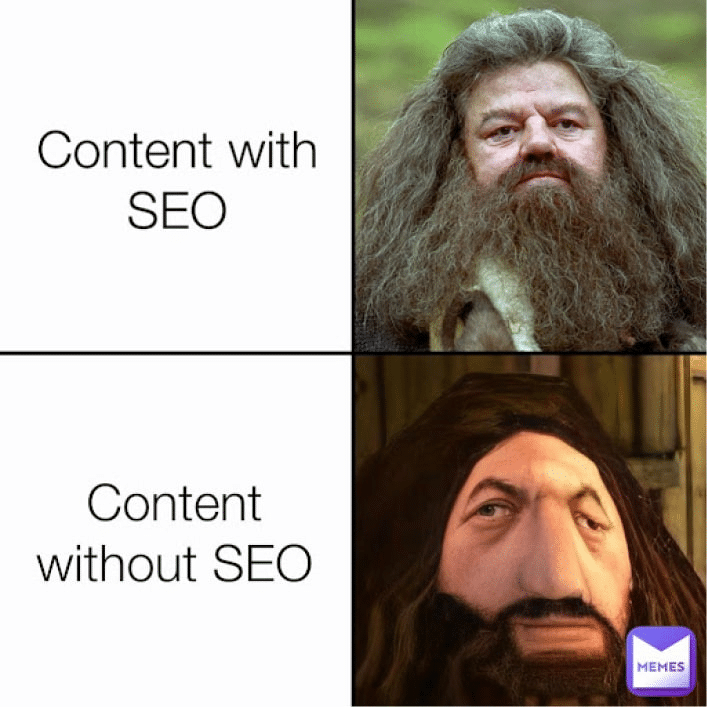
Google loves fresh, relevant, and high-quality content. If your website is stuffed with outdated blogs and pages that look like they were last updated when MySpace was popular, it’s going to take some serious effort to win back Google’s love. Content that answers your audience’s questions and aligns with their search intent is what gets you noticed – and yes, that takes time to create.
Backlinks (links from other websites pointing to yours) are still a major ranking factor. If your site doesn’t have a solid backlink profile, you’re starting with a disadvantage.
They signal to search engines that your site is credible and worth recommending. However, not all backlinks provide the same SEO value. Links from authoritative, relevant sites carry far more weight than spammy or irrelevant ones. If your website lacks strong backlinks, it’ll take longer to build the authority needed to rank competitively.
If there’s one thing you can count on with Google, it’s that nothing stays the same for long. Algorithm updates roll out regularly, tweaking how search results are ranked. Sometimes they boost your site. Other times, they leave you scratching your head wondering why your rankings took a hit. It’s not personal, it’s just Google doing Google things.
The good news? If you’re following SEO best practices – publishing quality content, building solid backlinks, and keeping your site technically sound – you’re more likely to weather these changes without major disruption.
Finally, how much effort are you putting in? SEO isn’t a one-and-done task. If you’re inconsistent with updates, let link building slide, or fail to monitor progress, you’ll only slow yourself down. Regular effort is essential to keep momentum and ensure your strategy stays effective.
The truth is, SEO rewards those who keep at it. Competitors who are more consistent will leap ahead, leaving you playing catch-up.
The more comprehensive your SEO strategy, the faster and stronger your results will be. If you’re only focusing on one area, you’re leaving major opportunities untapped. A well-rounded strategy combines technical SEO (fixing site errors, improving speed), content creation (targeting keywords with high-quality articles), and link building (earning reputable backlinks to build authority).
Neglecting any of these pillars slows down your progress. For instance, great content won’t rank if your site has technical issues, and a technically flawless site won’t gain traction without backlinks or engaging content. SEO works best when all these elements support each other, creating a strategy that drives sustainable growth.


We’ve said this, and we’ll keep saying it, SEO takes time. What you see will shift and improve as time goes on. While every project is different, here’s a general idea of what you might expect over 12 months:
This is where the foundational work happens. Activities include website audits, setting up analytics tools, keyword research, and fixing glaring technical issues. Don’t expect traffic spikes yet – this stage is more about preparation and getting your site (and knowledge) in a place to make a big impact.
You’ll start to see small improvements as initial fixes take effect. This might include optimising meta tags, improving site structure, and publishing or updating content. Traffic may begin to stabilise, but results are still subtle.
This is when your SEO strategy starts gaining traction. You may notice an increase in rankings for target keywords and gradual traffic growth. At this point, backlinks and consistent content creation play a significant role in driving progress.
By now, you should see noticeable improvements across your KPIs, such as organic traffic and user engagement. Rankings for competitive keywords might still fluctuate, but overall progress becomes evident. For businesses in competitive industries, this stage marks the beginning of long-term growth.
SEO is a marathon, not a sprint, and setting realistic expectations will help avoid major disappointments and stop you from expecting unrealistic results (like the SEO guarantees some agencies give). One of the biggest mistakes is expecting instant results. While small wins may happen early, the real benefits of SEO come from sustained effort over time.
Here are a couple of tips to help you set expectations:
Patience is your best friend when it comes to SEO. Rushed efforts often lead to shortcuts, which can hurt your website in the long run.
Many businesses unknowingly sabotage their SEO efforts by falling into common traps. Here are a few mistakes to avoid:
It’s tempting to obsess over ranking for one or two high-competition keywords, but this often leads to wasted time and effort. A better approach is to focus on more precise keyword strategies that target phrases relevant to your audience. For example, long-tail keywords or specific phrases with lower search volume can bring in highly qualified traffic that’s more likely to convert. Rankings look good on paper, but traffic that leads to conversions and revenue is what actually matters.
Even the most compelling content can’t save a website plagued by technical issues. Slow load times, clunky navigation, broken links, or lack of mobile optimisation all frustrate users – and search engines notice.
Realistically, technical SEO is the behind-the-scenes work that makes your site functional, fast, and user-friendly. Regular audits and quick fixes can make a huge difference in how Google views (and ranks) your site.
SEO rewards consistency. Sporadic updates or pausing work after just a few months can cause rankings and traffic to stagnate. Search engines favour fresh, regularly updated content and active sites. The more you put in, whether it’s creating new content, refining strategies, or building links, the more progress you’ll see over time.
Keeping an eye on competitors can be helpful, but copying their tactics without context often backfires. Their strategy might suit their audience, budget, or brand authority but not yours. Plus, you don’t know if what they’re doing is actually working or if it’s even the best approach. SEO works best when it’s tailored to your business goals, audience, and unique strengths—not someone else’s blueprint.

Flooding your site with low-value blog posts or building backlinks from questionable sources won’t impress Google. Quality trumps quantity every time. A single in-depth, engaging article or a backlink from a reputable site can do more for your rankings than dozens of subpar efforts. Focus on providing real value to users and earning trust from search engines.
Rankings are important, but they’re not the be-all and end-all of SEO success. Focusing solely on where you rank can be misleading, especially if high-ranking keywords don’t bring in relevant traffic.
Instead, prioritise KPIs that reflect meaningful outcomes:
You’ll have a clearer picture of how SEO is impacting your business when you shift your focus to these metrics.
SEO typically takes four to six months to show noticeable improvements, but the timeline varies based on factors like competition, your website’s current state, and the strategy in place. While small changes may occur earlier – such as minor ranking boosts or improved site performance – significant results, like increased traffic or conversions, often require consistent effort over several months.
Patience is key. SEO is a long-term investment, and results compound over time. The more comprehensive and consistent your approach, the sooner you’ll see meaningful progress.
SEO takes time, and that’s not a bad thing. Quick fixes rarely last. If you’re feeling a bit confused and think you need expert input to make the most of SEO, get in touch with us at Heroes of Digital. We’ll give you a free proposal, analyse where you’re currently at, and explain how we can help you make more money from organic search.
 A Marketing Manager’s Guide To SEO
 How long would it take to see SEO results?
 How to rank in AI overviews in 2025
 10 Best Paid Ads Landing Pages to Inspire You
 SEO Pricing Singapore: The Honest Truth About SEO Pricing



Get A Free Proposal